01
Harvest
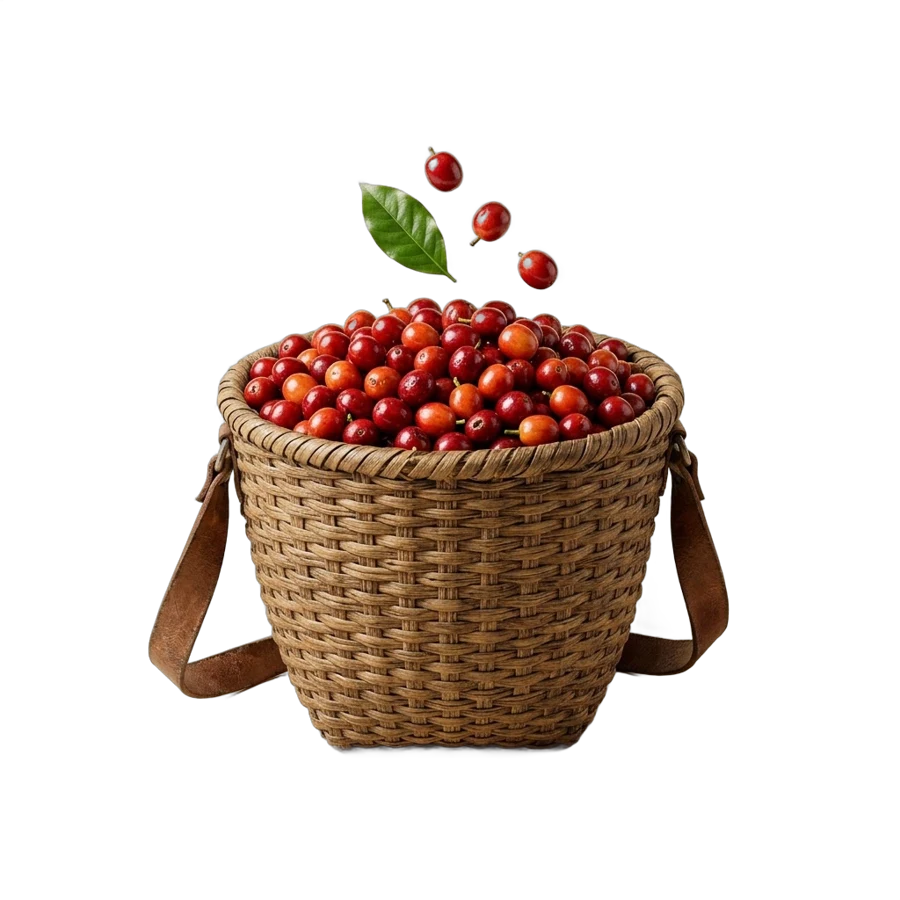
Pickers choose only the ripe red cherries, one by one, by hand.
Ripe fruit gives a sweeter cup
Café Benítez · Eje Cafetero, Colombia
We buy, grade and ship coffee and coproducts from the Eje Cafetero, FOB Colombia. You taste a sample before you sign anything.
Inside every cherry
One for the father who started the business. One for the son who takes it abroad. That is why our logo has two accents.
Gustavo Benítez · cupper since 1988
He turns the beans others set aside into coffee that roasters order again.
From the farm to your port
Piece by piece
Sealed for the trip
Where it ends
From cherry to cup
01
Pickers choose only the ripe red cherries, one by one, by hand.
02
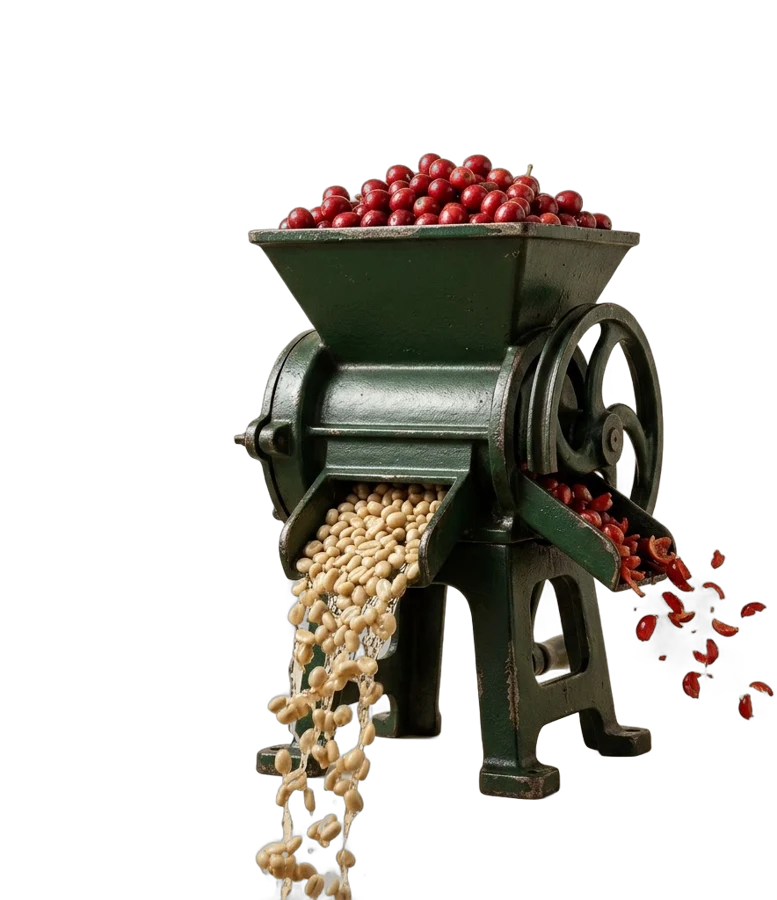
A pulper removes the red skin the same day the cherry is picked.
03
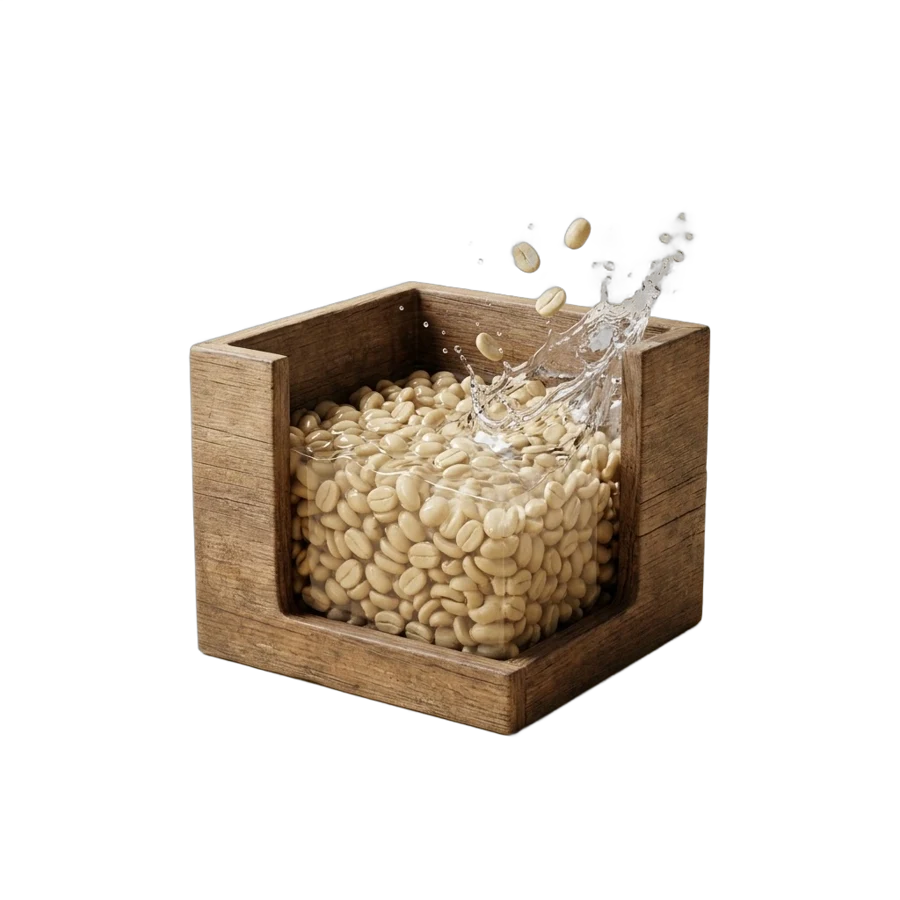
The beans rest in their mucilage, then clean water washes it away.
04
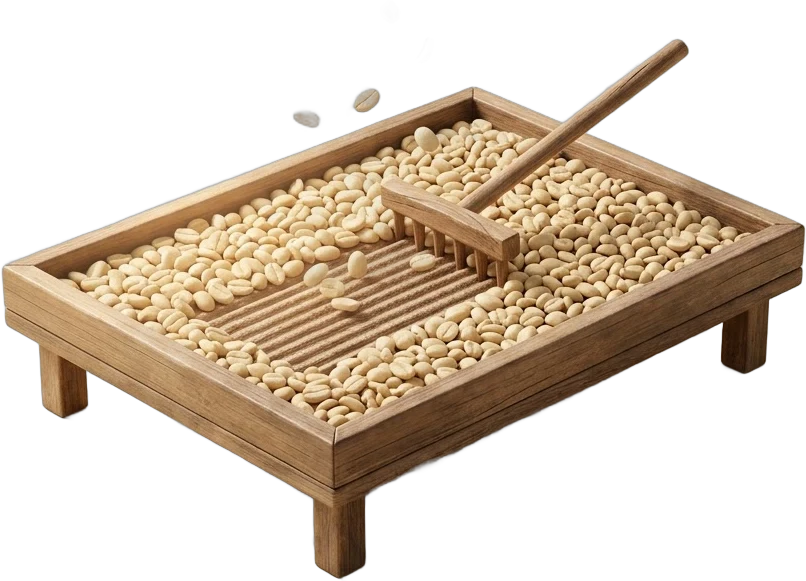
The parchment coffee dries in the sun until it reaches 10 to 12 percent moisture.
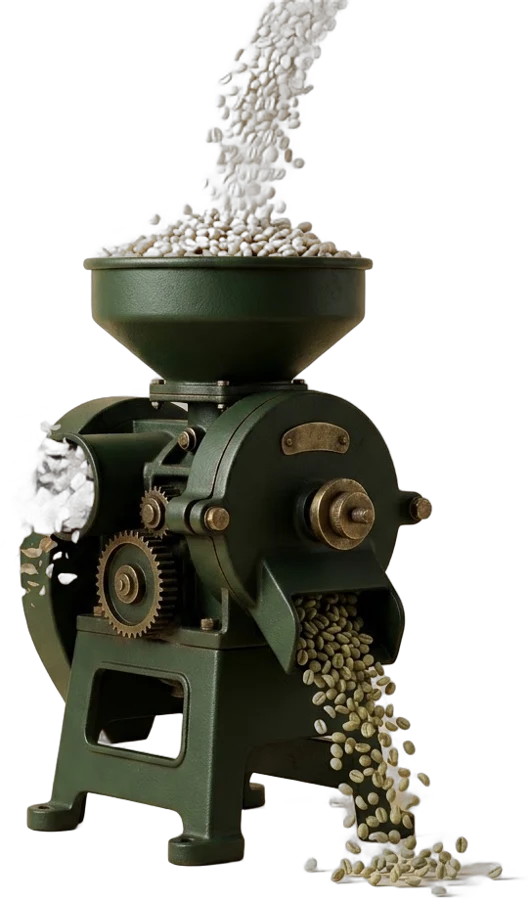
05
The mill strips the parchment and leaves the green bean ready to grade.
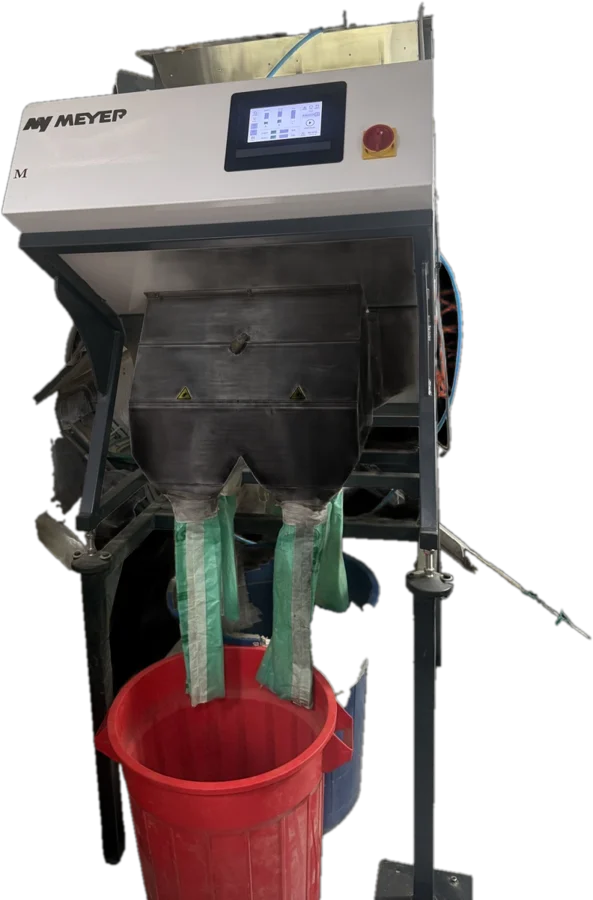 Real photo
06
Sieves, density tables and color sorters split the beans by size and quality.
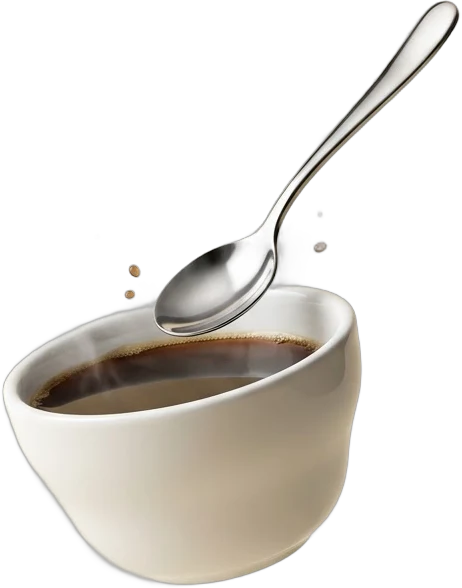
07
We roast a sample of every lot and taste it before we offer it to you.
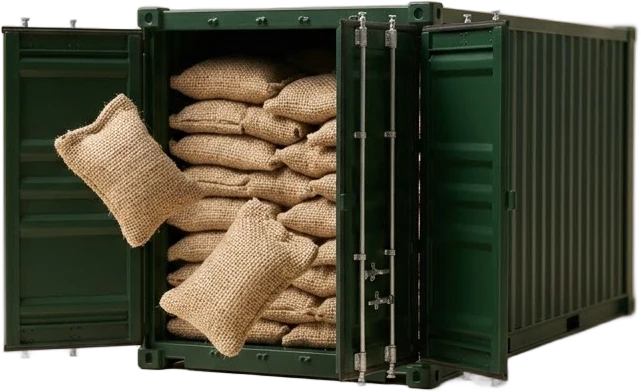
08
The 70 kg sacks go into a container, FOB Buenaventura or Cartagena.
09
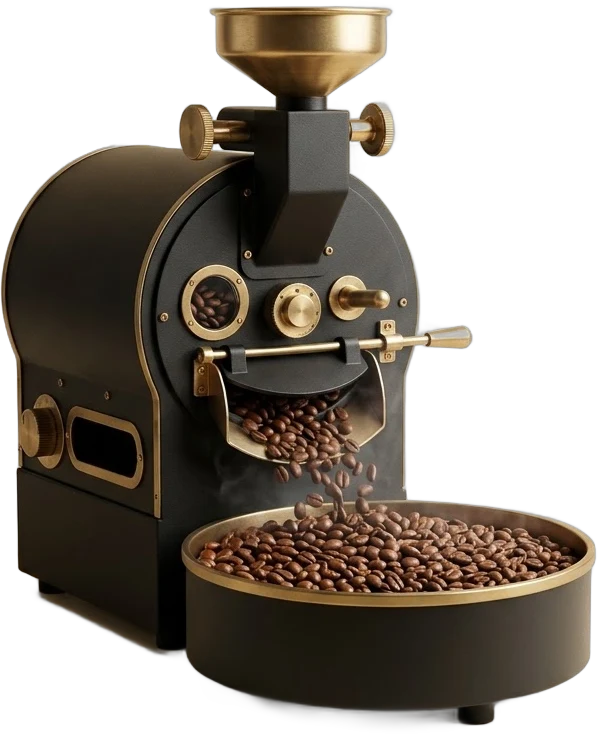
Your roastery turns the green bean into aroma and color.
10
And the whole trip ends in a cup that tastes the same every time.
Know what is in your sack
Tap each bean. You will see what it is, what it does to the cup and whether it goes to Excelso or to coproduct.
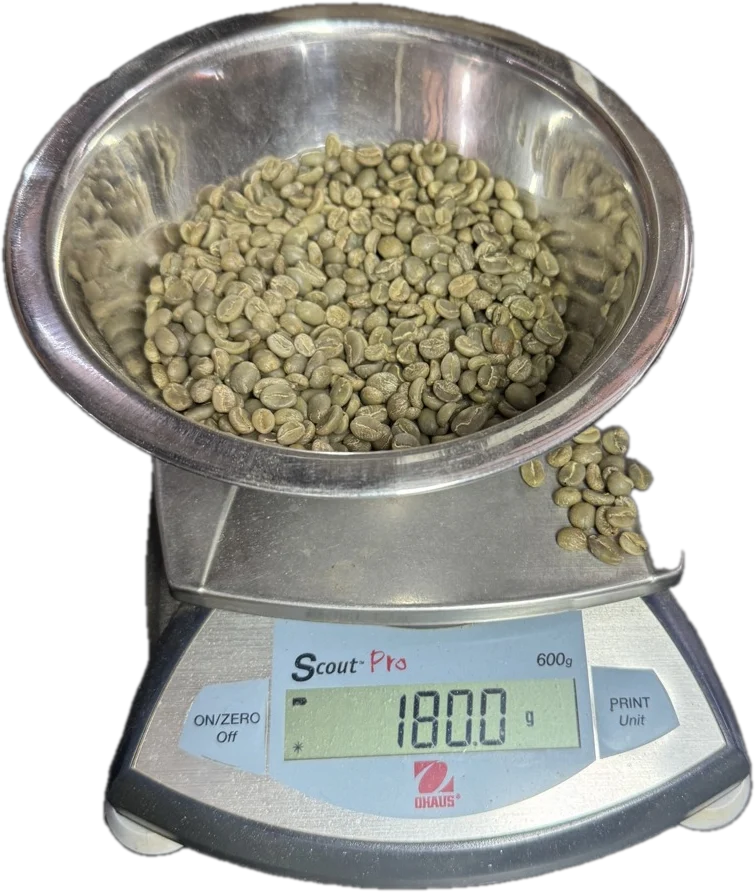
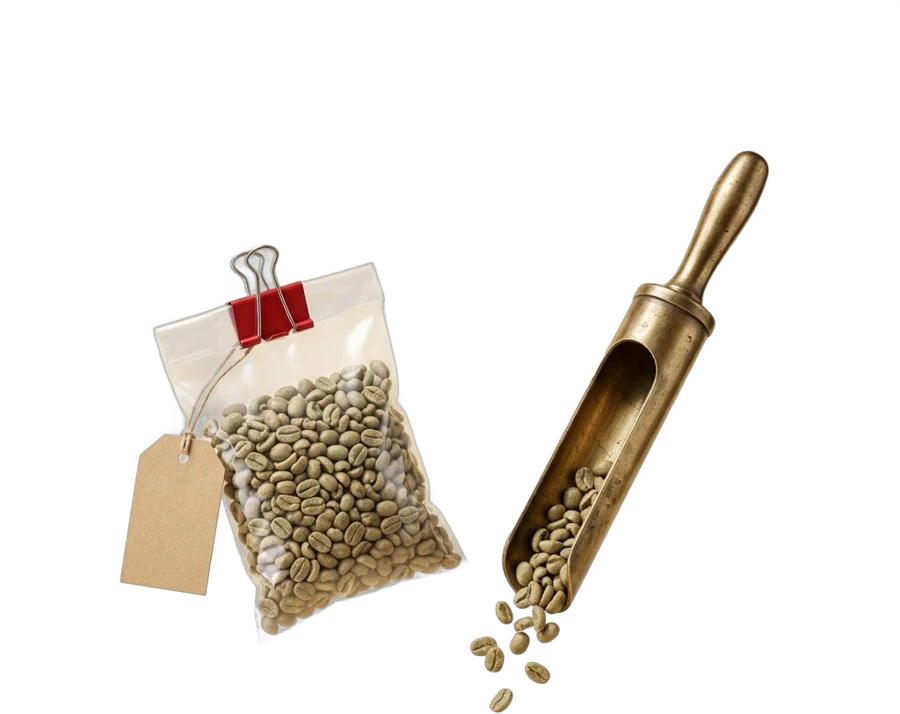
A 300 g sample
Ranges are a guide. Every lot is confirmed with its own sample and cupping report.
The man behind every lot
The king of coproducts
Gustavo started in coffee in 1988, learning to cup at a mill in Armenia. Almost forty years later he has run mills, led quality teams and built a name in coproducts, and he still tastes every lot before it ships.
His first year in coffee was spent at a mill in Armenia, learning to cup sample after sample at the cupping table.
In October 1989 he was sent to Cartago as head of quality for Germán Merino y Cía., part of the Carcafé and Volcafé group. Every lot that left that mill passed through his cup.
He trained to run the Simón Bolívar mill in Santa Marta, then moved to Pereira to work with Exportadores de Occidente. Years before, someone had told him he was too young to run a mill. Now he was learning to run them.
Estás muy joven para ser el administrador de la trilladora.
In 1995 he became manager of Trilladora Otoño, paid in part with a share of the profits. Then he rented mills of his own in Cartago and Santa Rosa de Cabal, milling Excelso for exporters like Carcafé.
In 2000 he turned to the beans others set aside. When Colombia opened coffee imports in 2002, he began bringing coffee from Peru to supply Colombian mills, and coproducts became his life's work.
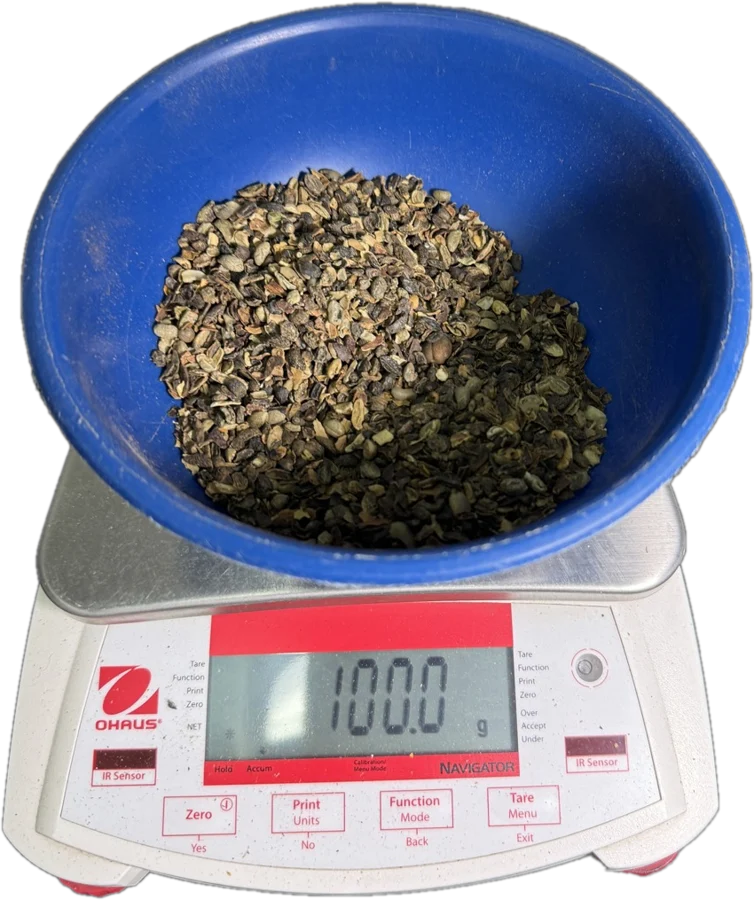
He is a partner in coproducts with a family of pergamino buyers who have worked the Eje Cafetero for more than 50 years. He ships coproducts from 50 to 1,000 defects to buyers in Ecuador and the United States, buys pergamino across Colombia's great coffee regions, from the Sierra Nevada to Nariño, and teaches the next generation everything he knows.
Ahorita con los chicos estamos de profesor. De teacher.
Where your coffee comes from
Parchment coffee from the great coffee regions of the country, from the Sierra Nevada of Santa Marta down to Nariño, and in Bogotá too.
Every lot travels to the Eje Cafetero, where it is milled, graded and cupped before we offer it.
FOB Buenaventura or Cartagena, to buyers in the United States and Ecuador.
Tap a point on the map
Our promise
Si usted nos llega a decir que tenemos un problema con su café, nosotros pagamos un tiquete y nos venimos para acá.
If anything is wrong with your coffee, we fly to your roastery with the sample from the mill and we fix it.
Gustavo Benítez
Our coffees
Request your sample
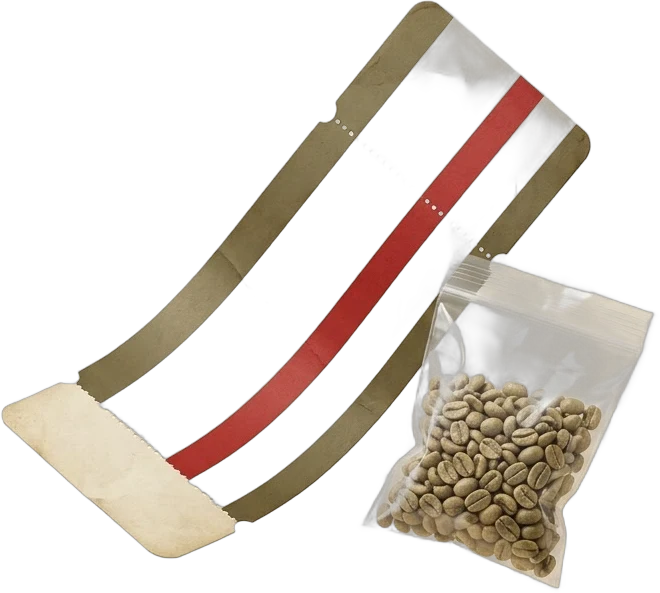
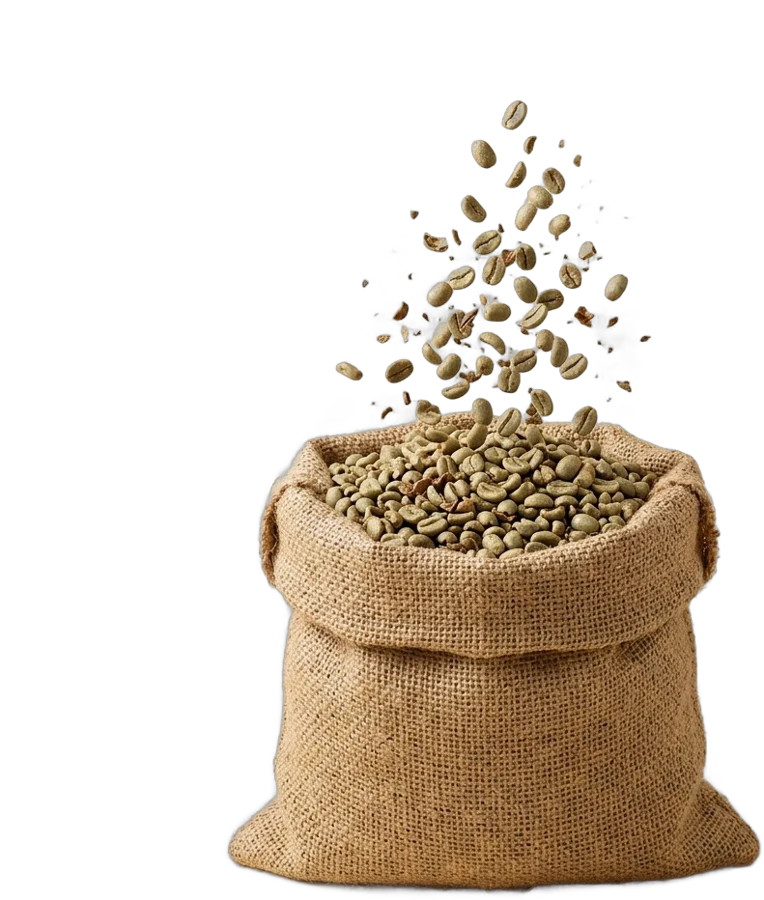
Tell us what you roast. We send a pre-shipment sample with its cupping report. If the cup is not right, we do not ship.
+57 318 872 1947 · jebenitezm@gmail.com